
I was recently reminded that, as South Africans, we are celebrating three major historic milestones in 2026. One 70, another 50, and another 30 years ago. Upon deeper reflection, these memory moments are important given our present state of affairs. So, I wrote…
Come, sit here for a moment and slow down the daily rush. Let me tell you why these three dates still live in the bones, blood and brains of this country.
First, 70 years ago: 9 August 1956: The day our mothers taught the nation how to stand.
Picture Pretoria on that winter’s morning. The air thin, the city thick with power. And then, soft shoes on hard pavements, a low hum growing into a roar. Twenty thousand women. Not soldiers. Not generals, but mothers, workers, sisters, and daughters. Many had never been allowed to step into the halls of power before. Yet they walked there anyway. They carried babies on their backs and courage in their hearts. In this country they were told to be quiet, yet on that day they chose dignity instead.
When they stood in silence, the silence thundered: We see your laws. We reject your cruelty. You will not break our families without hearing our voices. That march carried a sacred lesson. That the strength of South Africa is not only in loud leaders, but in ordinary people who decide they have had enough. Every time you hear truth spoken, see courage rise, or you feel that quiet desperation in the air, you are hearing echoes of what led to days like these.

Then, 50 years ago: 16 June 1976: The day our children carried the weight of freedom.
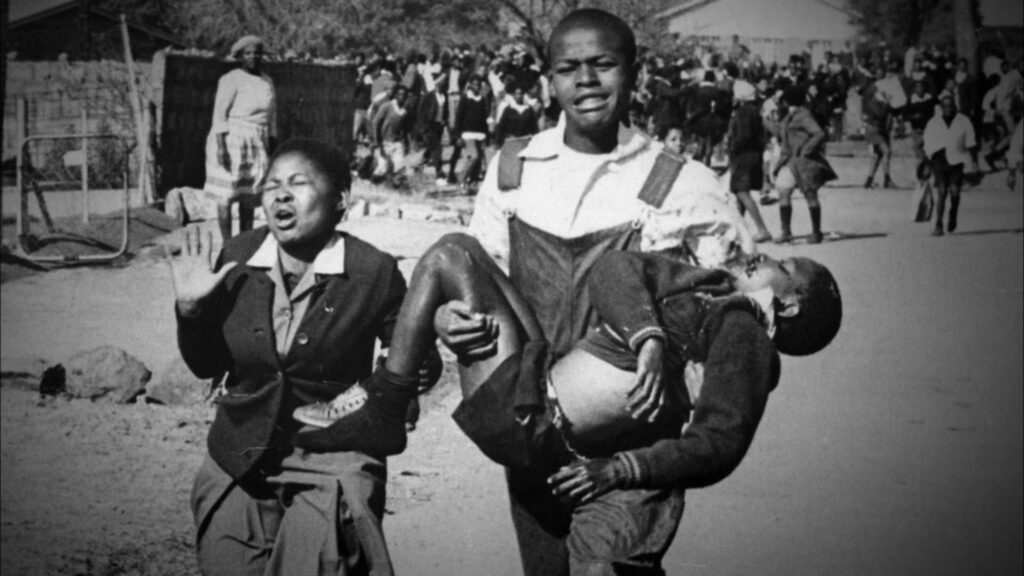
There is a recurring ache in our collective memory when we think of this day. Young people walking to school with hope in their pockets and fear in their throats. They were told what language to learn in, what future to accept, what silence to keep. And they said no. They marched with handmade placards, with hearts still soft, with belief still alive. The state answered them with bullets. Children fell in dusty streets. The country’s innocence fell with them.
But listen carefully. That day did not only take from us. It gave us a fundamental truth. It told the world that oppression of one over another was not only unjust, but it was also destroying possibilities. Those young people forced the nation to look at itself in the mirror and not look away. Every democratic right you take for granted today carries the fingerprints of those children. Their courage is the reason we can speak freely, question, believe, and dream.
And finally, 30 years ago: 8 May 1996: The day we chose respect over revenge, dignity over domination.
After so much blood, so much loss, South Africa could have chosen a path of settling scores. We could have built a country on bitterness. Instead, we wrote a Constitution that tried to hold all of our rich and beautiful diversity in one moral frame. It is still not perfect, but neither are we. However, it remains a promise.
A promise that no one is above the law. That humanity does not depend on skin, language, wealth, or heritage. That power must answer to the people, not the other way around. That Constitution is not just a document, even though today it can feel like a fragile flame. It must be protected, guarded, and treasured. It requires the voice of every South African to insist that the words on paper become food on tables, safety in streets, dignity in schools, and fairness in courts.

So, when you think about why these dates matter, I’ll tell you this:
1956 taught us how to stand.
1976 taught us what standing can cost.
1996 taught us what standing is for.
These moments do not belong only in museums. They are instructions for how to be a South African.
To speak even when our voices shake, to have courage even if we feel unqualified in the memory of those who did these three things, and to know that freedom must be built, protected, and renewed again and again by ordinary people who love this country enough to demand better from it.
And that’s the part I want to carry forward in me. Not just the pride of where we’ve been, but the responsibility of where we are going. I hope you do too.

 and then