
Over the past two years, MarkData has partnered with the Zero Dropout Campaign to help reframe one of South Africa’s most persistent and devastating challenges – school dropout. This journey moved deliberately from evidence, to advocacy, to a deeper human understanding of what it really means for children to “hang by a thread” in an education system shaped by poverty, violence, inequality and fragile community ecosystems.
The starting point was the national survey MarkData conducted for the Zero Dropout Campaign in 2024/25. This research went beyond traditional education metrics to capture the lived experiences of learners and parents across communities, schools, households and neighbourhoods. The findings were stark: schools are not isolated institutions but deeply embedded in the social and economic realities of the communities around them. Dropout risk is shaped as much by household pressure, neighbourhood safety, psychosocial stress and fragile support networks as by academic performance. The research segmented schools into four contextual clusters, from functional schools in supportive communities to struggling schools in deeply compromised environments, illustrating that dropout is not a single problem with a single cause, but a layered social phenomenon requiring differentiated responses.
This evidence base informed Zero Dropout Campaign 2024 publication – School Dropout: Advocacy to Action, which translated data into a national call for systemic change. The report highlighted how COVID-19 learning losses, weak early warning systems, NEET (Not in Employment, Education, or Training ) youth, gendered dropout patterns and policy shifts such as BELA and the General Education Certificate intersect with everyday realities in schools and homes. Crucially, it argued that policy reform alone is insufficient without national ownership of the problem and practical, community-level tools to keep learners in school. The work positioned dropout prevention as a shared societal responsibility, not merely an education sector failure.
The 2025 report, Hanging by a Thread, took this work further by reframing dropout through a psychosocial lens. Building on the earlier survey insights, it foregrounded mental health, belonging, safety, identity and socio-emotional learning as foundational to keeping children engaged in education. The report’s framing that children are born to thrive but are often navigating accumulated adversity long before they enter a classroom humanised the data. It showed that dropout is rarely a single decision point; it is the end result of many small ruptures in care, safety and support across a child’s developmental journey.
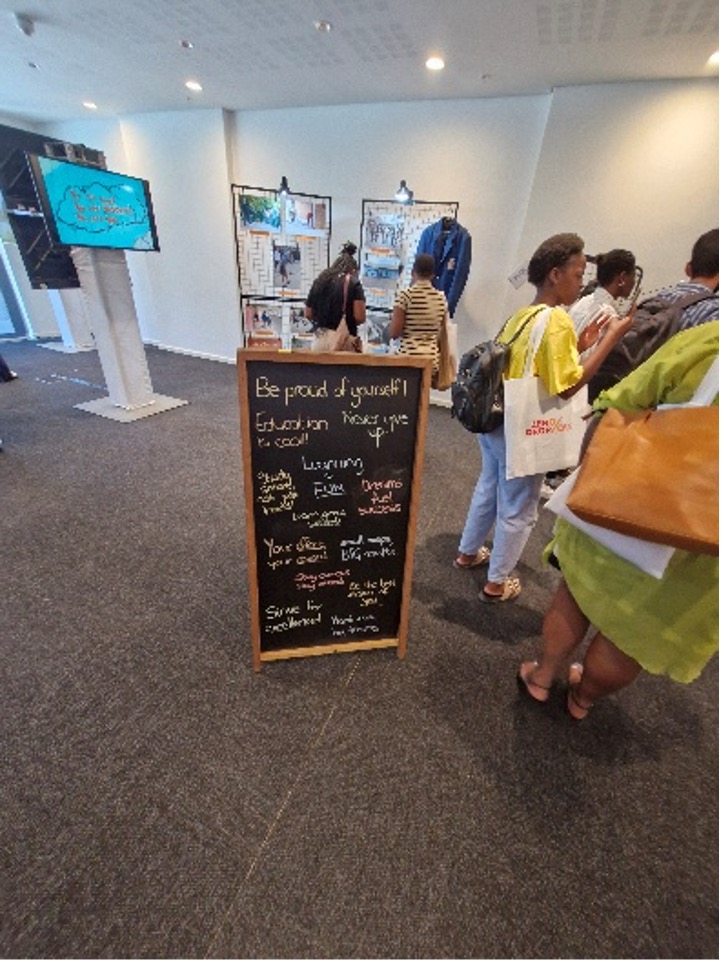
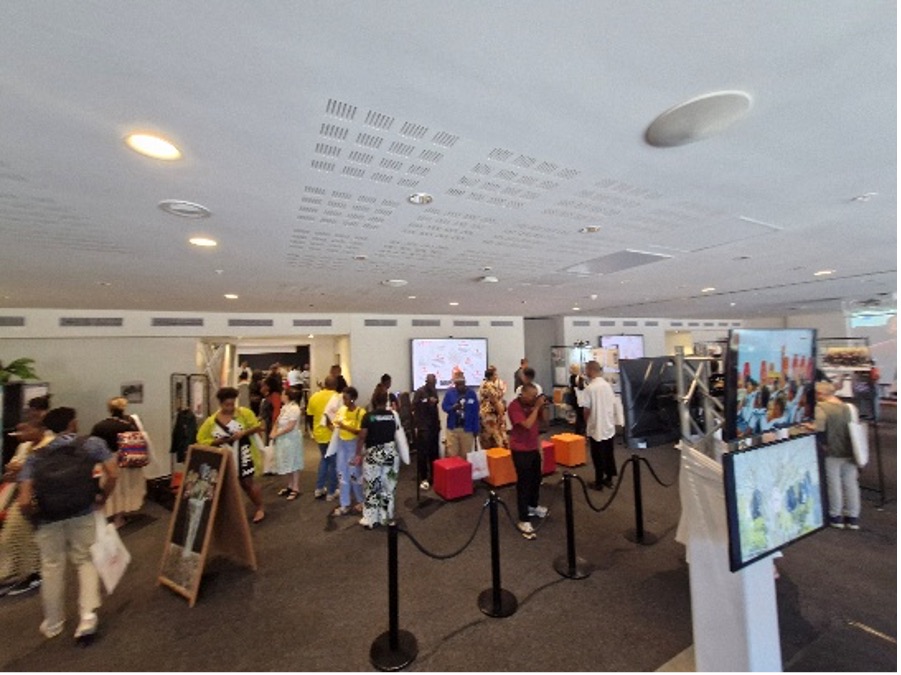
The launch of Hanging by a Thread in Cape Town on 28 January 2026 marked an important moment of convergence between evidence and empathy. What began as a national behavioural and contextual analysis matured into a public narrative about the lived realities of children and the ecosystems that either hold them or fail them.
For South Africa, this body of work matters because it shifts the conversation from blaming learners or schools to confronting the deeper social conditions that make dropout feel inevitable. It invites government, civil society, communities and families to see dropout prevention as a nation-building project, one that requires early, compassionate, and coordinated intervention if the country is serious about giving the next generation a fair chance to thrive.





 and then